SLAG SCRAP

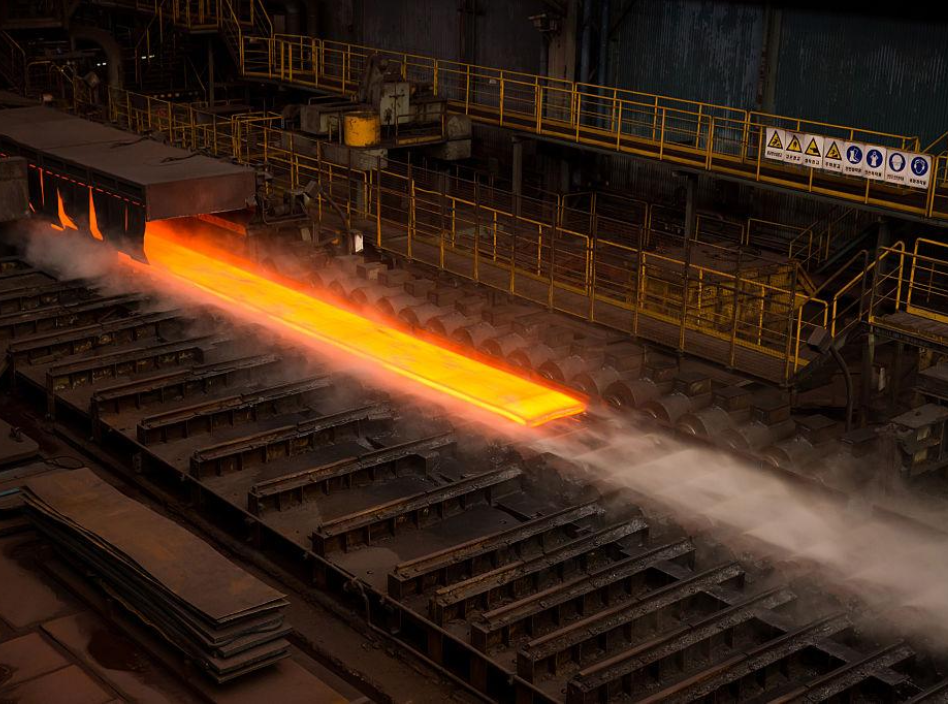
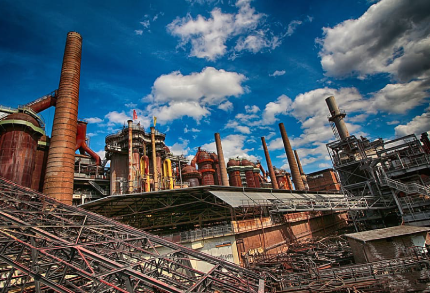
Slag scrap represents a significant secondary material stream generated during steel and metal production processes. Rather than waste destined for landfills, slag scrap has become a valuable commodity in the circular economy—recovered, processed, and repurposed for diverse industrial applications.

Why Slag Scrap Supports Modern Industry

Slag scrap plays a critical role in sustainable industrial development by converting metallurgical by-products into valuable secondary raw materials. Its durability, chemical stability, and cost efficiency make it widely used across construction, cement manufacturing, and infrastructure applications.


By supporting circular resource utilization, slag scrap helps industries reduce waste, lower raw material consumption, and improve environmental performance. Its ability to enhance strength, improve durability, and support large-scale industrial reuse makes it an essential component in modern sustainable manufacturing and infrastructure development.

Chemical Properties – Iron & Steel Products
Chemical CompositionPrimarily contains Calcium Oxide (CaO), Silicon Dioxide (SiO₂), Aluminum Oxide (Al₂O₃) and other metal oxides formed during metallurgical processing.
Crystal StructureMostly amorphous or partially crystalline structure formed during rapid cooling of molten slag.
AppearanceDark gray to black granular or rock-like material depending on processing and cooling method.
DensityTypically ranges between 2.8 – 3.6 g/cm³ depending on slag type and metal origin.
Thermal ConductivityModerate thermal conductivity suitable for insulation and construction material applications.
Chemical StabilityHighly stable under normal environmental conditions with low reactivity in construction and industrial use.
Corrosion ResistanceResistant to environmental degradation and chemical exposure, making it suitable for long-term infrastructure use.
Melting PointGenerally ranges between 1,300°C – 1,600°C depending on composition and metal processing origin.
Environmental CompatibilitySupports recycling and reuse in cement, construction, and road base applications, reducing industrial waste.
RecyclabilityReusable in multiple industrial applications including cement manufacturing, aggregate production, and metallurgical recovery.

What is Blast Furnace Slag?

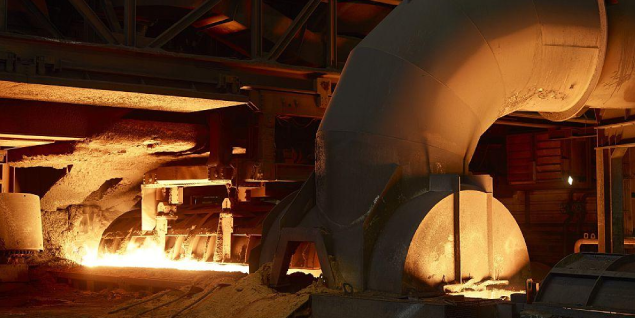
Blast furnace slag is produced during iron smelting in blast furnaces. Due to slower cooling, it forms a denser and more crystalline structure, making it suitable for high-performance construction applications.
Blast Furnace Slag:

  • Source: Iron smelting in blast furnaces
  • Characteristics: Denser, harder material; slower cooling produces crystalline structure
  • Recycling Rate: ~99% of blast furnace slag is currently recycled (highest recovery rate among industrial byproducts)
  • Applications: Cement manufacturing (replacement for limestone), road construction, agriculture (soil amendment)
  • What is Blast Furnace Slag?

    Available Grades:

    • ASTM A366/A366M: Drawing-quality steel (excellent formability for deep drawing applications)
    • ASTM A619: High-strength, low-alloy steel (strength + formability balance)
    • DC01 – DC06 (EN standards): Commercial quality to deep-drawing quality grades
    • Galvanized CR Coils: Cold-rolled steel with zinc coating for enhanced corrosion resistance

    Applications:

    Road & Infrastructure Construction (Primary Market)

    Road & Infrastructure Construction (Primary Market)

    Use Cases:

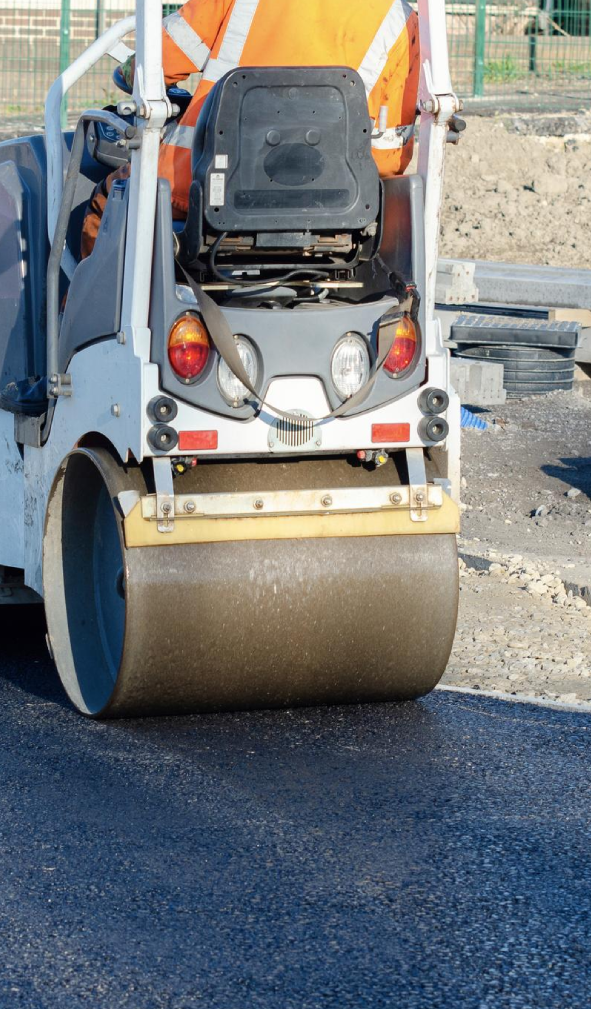
    • Road Base Layer: Compacted slag provides stable foundation below asphalt surface courses
    • Sub-Base Material: Load-bearing layer supporting road structure
    • Aggregate for Concrete: Recycled slag replaces virgin aggregate in concrete mixes (20–40% substitution)
    • Embankment Material: Slag fills and reinforces road embankments and bridge approaches
    • Railroad Ballast: Supports railroad ties; slag's angular shape provides superior load distribution vs. gravel

    Performance Advantages:

    • Angular particle shape enables better compaction and load transfer vs. rounded gravel
    • High internal friction provides superior bearing capacity
    • Drainage characteristics similar to conventional aggregate
    • Cost savings: 15–30% cheaper than virgin limestone or gravel
    • Significantly reduced carbon footprint: Recycling slag avoids new limestone quarrying and processing

    Technical Specifications:

    • Particle size: 5–50mm (can be customized for specific applications)
    • Compacted density: 1.8–2.0 t/m³
    • CBR (California Bearing Ratio): 80–150% (exceptional load-bearing capacity)
    • Durability: Resistant to degradation under repeated loading

    Specialized Industrial Uses

    • Glass Manufacturing: Slag components substitute for limestone flux
    • Water Treatment: Slag's absorbent properties useful in industrial wastewater treatment
    • Refractory Materials: High-temperature slag can be reformed into refractory bricks for furnace lining Railroad
    • Ballast: Angular shape superior to rounded gravel for railroad applications
    Industrial facility showing aluminium processing equipment

    Market Applications & Growth Sectors

    Reliable Supply

    Reliable Supply

    Established relationships with steel mills and foundries ensure consistent availabilityhigh-strength CR steel
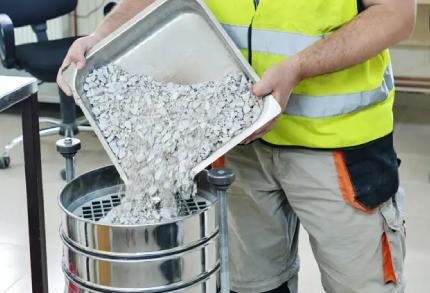
    Quality Consistency

    Quality Consistency

    Processed slag meets specification requirements for diverse applicationsconsumer appliance markets
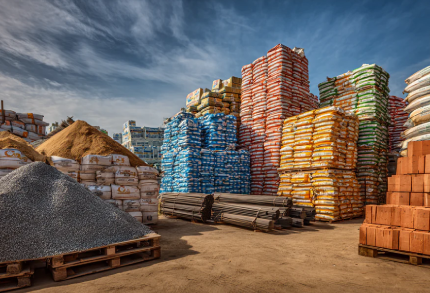
    Volume Flexibility

    Volume Flexibility

    From construction-site bulk orders to specialized industrial batchesprecision steel components

    Technical Support

    Technical Support

    Guidance on optimal application selection and material specificationsarchitectural material demand
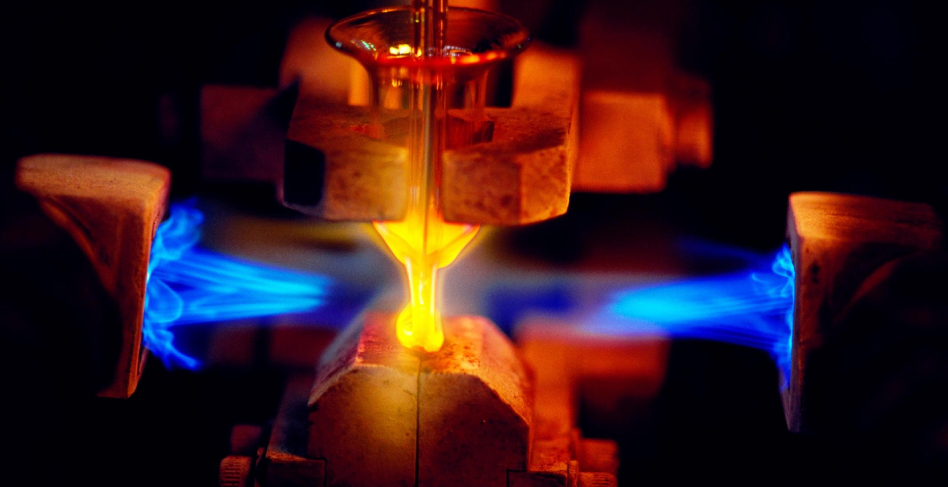
    Sustainability Documentation

    Sustainability Documentation

    Environmental impact reports supporting ESG disclosuresprecision metal enclosures

    What Say Our Client

    We are trusted by global partners for our transparent trade practices, reliable supply capabilities, and long-term business approach across industrial and marketplace markets.

    Abigail

    Abigail

    Engineer

    A reliable trading partner delivering transparent, compliant, and consistent global trade solutions.

    Elizabeth

    Elizabeth

    Architecture

    Trusted for manufacturing-backed supply, clear documentation, and dependable execution.

    Anthony

    Anthony

    Industrial

    Yashashvi Ecogreen simplifies global trade with professionalism and integrity.

    Looking for a Reliable trading partner?

    Contact Yashashvi Ecogreen LLC today to discuss sourcing, supply, and global trade opportunities.